Travis County and Austin want residents and biologists to help rewrite the 30-year-old plan that lets development go forward in endangered-species habitat in exchange for land set aside as preserve. Applications close Jan. 8, 2027.
The county and city are seeking members for two advisory groups, a Citizen Advisory Committee and a Biological Advisory Team, according to a Nov. 10 release. Both are required by Chapter 83 of the Texas Parks and Wildlife Code. The groups will advise on an updated Balcones Canyonlands Conservation Plan, known as the BCCP.
What the plan does. The BCCP is a regional habitat conservation plan the city and county run jointly under the federal Endangered Species Act. The U.S. Fish and Wildlife Service issued its incidental take permit in 1996 for 30 years. The permit gives developers and public projects a faster legal path when their work may harm protected species. In return, the partners assembled the Balcones Canyonlands Preserve, now more than 33,000 acres, the release says.
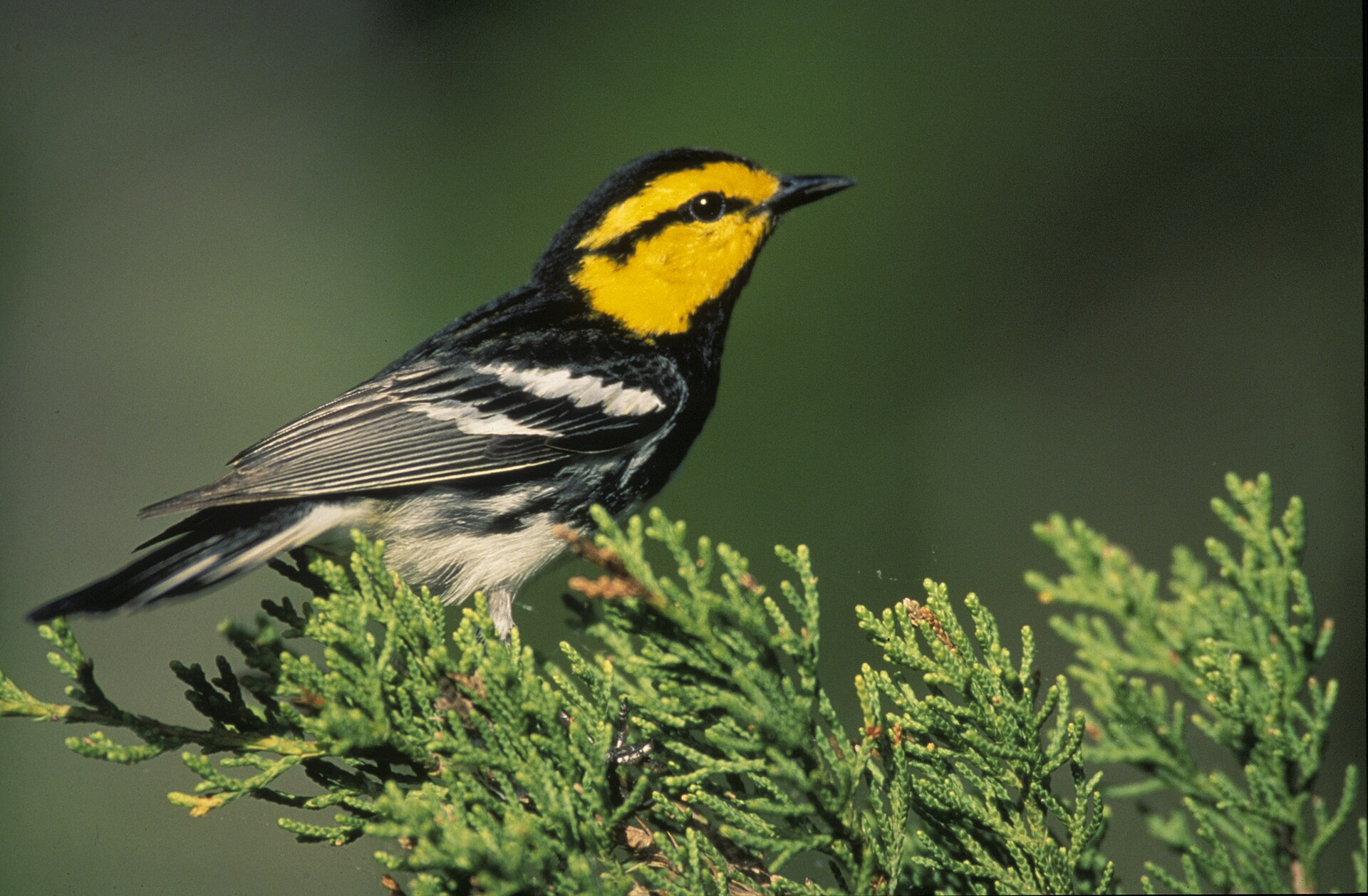
The plan covers the golden-cheeked warbler, six karst invertebrates and 27 other species of concern. It also covers the black-capped vireo, which has since been removed from the endangered list. More than 1,500 landowners and developers and more than 400 infrastructure projects have gotten expedited permits through the plan, according to the county’s renewal page.
The permit’s term is over, but it hasn’t lapsed. The 30-year term ended in May 2026. A city notice to permit holders says the Fish and Wildlife Service confirmed in writing that the plan’s authority continues past May 2, 2026, while renewal is pending. Existing permits stay in force and holders don’t need to do anything if they’re in compliance, the notice says. The county says renewal will take about four years, with the consulting firm ICF International helping.
Who can serve. The citizen committee must include a set share of owners of undeveloped or agricultural land in Travis County, plus one appointee of the Texas Parks and Wildlife Commission. Its members can’t be employees or elected officials of any plan participant or other government entity. The biology team needs at least three professional biologists, jointly appointed, with the state wildlife agency’s appointee presiding.
Applications are due by 11:59 p.m. Jan. 8, 2027, through online forms for the citizen committee and the biology team. City and county staff will recommend appointments to the BCCP Coordinating Committee, which includes one elected official each from the Commissioners Court and City Council. Meetings will be subject to the Texas Open Meetings Act.
Sooner than the slides said. Austin Water’s backup for a Nov. 10 Council committee briefing said the solicitation would open early in 2027, as The Austin Dispatch reported. It opened instead on Nov. 10, the day of that meeting.
The rules are shifting underneath it. The rewrite will look at species listed or proposed since 1996, and at all of Travis County, not just the western hills where the original plan focused. Which species will be covered hasn’t been decided. It also comes as federal protections change. The Fish and Wildlife Service and NOAA Fisheries rescinded the regulatory definition of “harm” under the Endangered Species Act, effective Sept. 14, 2026. That rule drops habitat damage that indirectly kills or injures wildlife from the definition. Travis County’s FAQ calls it “a dramatic and substantial narrowing of the scope of ESA” that has “created uncertainty regarding regulatory compliance.”
The warbler’s status is also in play. The service’s 2025 five-year review recommended downgrading the bird from endangered to threatened, and a proposed downlisting is on the agency’s fiscal 2026 workplan. It remains listed as endangered.
If the plan isn’t renewed, the county says the preserve stays protected. But projects needing take coverage would have to seek individual federal permits, which it calls less coordinated and possibly less effective for species.
Questions go to BCCP@traviscountytx.gov.
Photo: Golden-cheeked warbler. Photo by Steve Maslowski, U.S. Fish and Wildlife Service, via Wikimedia Commons, public domain.
