Austin ISD families have a narrow window this month to shape who sits beside their children in class next year — and whether neighborhood schools stay large enough to offer the courses, electives and supports every student deserves.
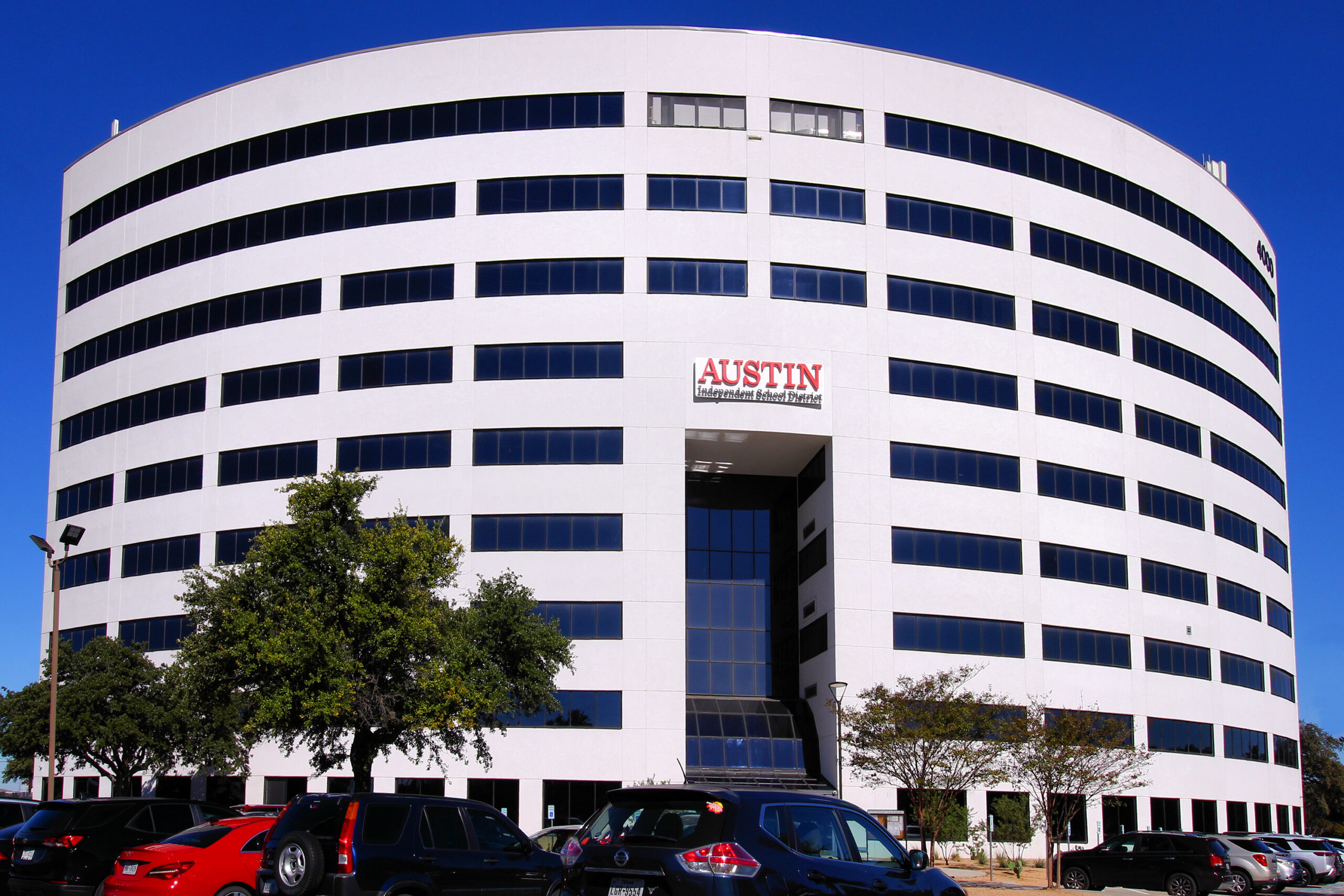
Phase 1 of the district’s boundary realignment is aimed at two concrete problems for the 2027–28 school year: campuses headed for severe overcrowding, and the need to draw a dedicated attendance zone for General Marshall Middle School, the Mueller-area campus that opened without a fixed neighborhood boundary. District materials say trustees anticipate a Phase 1 vote in October. The board’s next regular voting meeting is Thursday, Oct. 29, at 6 p.m. at the Board Auditorium, 4000 South Interstate 35 Frontage Road — but the agenda, typically posted at least three business days ahead, will show whether the boundary item is formally on that night’s calendar.
What happens in the next three weeks is not a routine map tweak. It is a test of whether Austin can keep public schools workable for kids across East and Northeast neighborhoods while the district still fights a separate accountability crisis at chronically low-rated campuses.
What’s on the table
According to AISD’s boundary page, Phase 1 focuses on urgent 2027–28 changes and establishing Marshall’s first attendance area. Broader feeder-pattern realignment — Phase 2 — is expected to start in spring 2027, with a board vote targeted for fall 2027 and implementation in fall 2028. The district has said it is suspending additional school closures while this work proceeds, after trustees voted in November 2025 to close 10 school buildings and International High School.
Marshall, built under the 2017 bond and planned for a capacity of about 800 students, currently offers seats as a priority option for families zoned to Andrews, Blanton, Harris, Jordan, Overton, Pecan Springs, Norman-Sims and Winn Montessori, rather than as a single guaranteed neighborhood middle school. The Oct. 19 community meeting notice states plainly that Marshall “opened without a defined attendance area,” and that Phase 1 would create one while reviewing impacts on elementary feeders.
District scenario maps posted for community review show how different drafts trade overcrowding for under-enrollment. In the adjusted “Oak” Phase 1 scenario, Marshall is projected at about 859 resident students in grades 6–8 for 2027–28 — roughly 94% of capacity — while Webb sits near 78% and Kealing near 64%. An earlier Oct. 31, 2025 adjusted map showed Marshall closer to 1,008 residents, about 110% of capacity. The “Elm” draft pulls Marshall down near 76% capacity but pushes Dobie over 100%. A “phased” draft leaves large hatched zones — including Jordan and Overton areas — on their current middle-school assignments for 2027–28. Those maps are planning tools, not a final board package, and families should check the latest boards on the boundaries page and the General Marshall scenarios PDF.
Separately, AISD is proposing to adjust the Linder Elementary attendance boundary for 2027–28 specifically to address campus overcrowding — walking routes, transportation, programs and student transitions are all on the table for parent feedback.
Why the timing matters for kids
Overcrowded elementary and middle schools squeeze the day-to-day experience of learning: larger classes, stretched specialists, fewer elective seats, portables instead of dedicated labs. Undercapacity campuses, meanwhile, struggle to sustain the same course menu or extracurricular depth. AISD’s stated Phase 1 goals — healthier campus sizes and clearer kindergarten-to-graduation feeder paths so cohorts are not repeatedly split — are the practical side of the district’s equity pitch: every child, not only those west of the interstate, should land in a school with room to teach them well.
Northeast Austin’s map choices also sit beside a harder accountability story. In August, AISD announced its first districtwide B rating in four years, with A- or B-rated campuses rising from 43 in 2024 to 61 in 2026. The same release said Burnet and Webb middle schools received an F for a fifth straight year — a threshold that, under state law as explained in local reporting, can force the education commissioner to close a campus or replace the elected board with a board of managers. Community Impact reported Sept. 18 that AISD has appealed both ratings; TEA’s timeline calls for final decisions by Dec. 11. Boundary votes will not erase that clock, but they will decide which neighborhoods feed which buildings while the district tries to rebuild academic strength campus by campus.
Community Impact’s August coverage of the Phase 1 delay also noted that the first round includes campuses affected by 2025 consolidations that might otherwise need portable classrooms — another reminder that last year’s closure wave and this year’s map work are one continuous story about how Austin organizes opportunity.
How to weigh in — exact dates
Linder Elementary community conversation: Tuesday, Oct. 13, 2026, 8–9:30 a.m., at Linder Elementary, 2800 Metcalfe Road, Austin. AISD says the meeting is to review draft scenarios and share input before the October board vote. (Note: the district’s main boundaries page had listed an evening time for Linder; the dedicated calendar event lists the morning window above — use the calendar listing.)
Marshall Middle School community conversation: Monday, Oct. 19, 2026, 6–7:30 p.m., at Marshall Middle School, 4401 Tilley Street, Austin. Families can review draft attendance scenarios and discuss elementary impacts before the board vote, per the event page.
Written comments: Boundary Comment Card 2 is open through Oct. 29 at 5 p.m. — the same calendar day as the board’s Oct. 29 voting meeting. Submit via the link on austinisd.org/boundaries (district materials also point to tinyurl.com/2026Boundary2). Commenters can address Phase 1 options, Phase 2 planning or the process itself.
Summer engagement already drew heavy traffic: between June 8 and July 31, AISD counted 593 open-house attendees and 3,116 online comment cards, mostly from caregivers. Those numbers show parents will show up when the stakes are clear. The question now is whether October’s final Phase 1 package, and the board’s vote, match that energy with maps that keep classrooms teachable.
For Austinites who believe public education is central to the city’s future, the practical ask is simple: open the scenario maps, check your address against the draft feeders, attend Linder or Marshall if you can, and put your concerns in writing before the Oct. 29 comment deadline. The board will decide the lines. Families still get to say what those lines should protect — room to learn, a fair shot at strong academics, and a path that does not ask East Austin kids to absorb the district’s hardest tradeoffs alone.