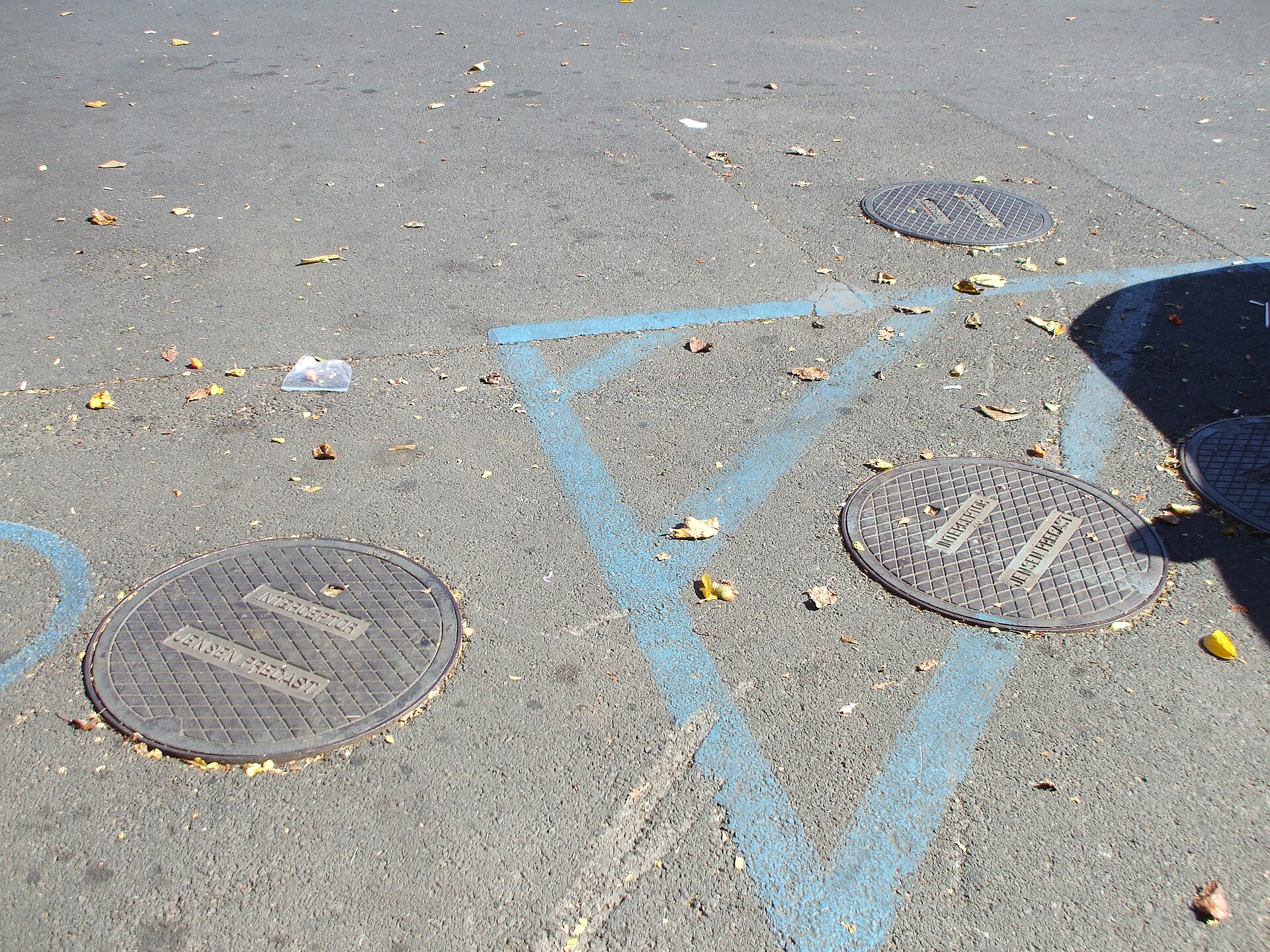
Austin Water says restaurants and charitable kitchens can apply now for a city-paid grease trap and installation, a potential savings of $30,000 or more for most participants.
Development Services’ Building Connections blog posted Nov. 4 that the Grease Trap Relief Program is live. The program page says the offer began Oct. 1, 2026. Qualifying small businesses and Charitable Feeding Organizations can get a new poly/fiberglass grease interceptor installed or an old one replaced at no charge for the equipment and contractor work. Austin Water’s Utility Compliance Services Division runs it.
Why Council ordered this. The program answers City Council Resolution No. 20240530-165, adopted May 30, 2024. That resolution directed the city manager to cut barriers for small businesses, including "right-sized operational requirements … up to and including no grease trap requirement." Austin Water says four departments — Development Services, Economic Development, Public Health and Austin Water — are working on changes in response. The resolution also cited data from a sampling of 20 cities showing that aspiring restaurant owners may pay as many as 20 fees, totaling as much as $22,648, before serving their first customers.
What you actually get. The city pays a contractor for the trap and the install or replacement after a successful post-install inspection. All program traps are poly/fiberglass models, which Austin Water says use less water and are easier to clean than concrete. Every unit comes with a Grease Trap Monitoring System. The business or CFO pays an annual monitoring service fee that the utility says is "essentially offset" by waiving the annual Wastewater Discharge Permit Fee. Future maintenance, pump-outs and repairs stay on the owner.
The catch list. Approval is not automatic. Applicants need a current menu or signed operations statement, FOG Best Management Practices, scalable plumbing drawings, liquid-waste hauler manifests for the past two years (or since opening, for newer sites), and any Industrial Waste Approval Letters already on file. Property owners must sign if they are not the business owner. A selection committee scores complete applications; a site visit can be required. Applications not selected in a fiscal year (October–September) carry forward automatically; applicants refile only if their information changes, and the new filing replaces the old one. The program page does not say how many traps the city will fund each year, only that "the number will vary based on budget."
Apply here. The online form is on Formstack. Questions go to AWGreaseTrapRelief@austintexas.gov. Austin Water says installation or replacement typically takes five to seven days.
The FOG pivot behind it. Separately, as of Oct. 1, 2026, Austin Water says a new fats-oils-grease risk system decides who still needs a trap and who may get a variance. Some places that used to need one may not; some with old traps may not have to replace them. An exemption lasts only as long as the business follows FOG practices. If it is later found to have caused a sanitary sewer overflow by not following them, Austin Water says it will revoke the exemption and require a trap at the business’s own expense. Starting in fiscal year 2028 (Oct. 1, 2027), discharge permit and surcharge fees are supposed to track grease risk, which the city says could cut or waive fees for some operators.
Who is first in line. Austin Water says small, locally owned businesses and Charitable Feeding Organizations are the program’s primary beneficiaries, though no facility is excluded from consideration. Multi-location owners can apply for each site. Shared traps with a neighbor are possible where there is space, the plumbing works and all parties agree, as long as the arrangement does not raise the risk of sewer overflows. Installed traps carry a warranty, but once the city finishes the install, the business owns the device — and owns the repair bills the warranty does not cover.
For a city whose code requires grease traps at food preparation operations unless Austin Water grants a variance, paying for them is a meaningful shift. Austin Water says it expects to run the program indefinitely and grow it, with money set aside in the division’s budget for future years. Whether that budget matches demand — and whether "essentially offset" monitoring fees stay a wash — is the part Austin Water has not put a number on.