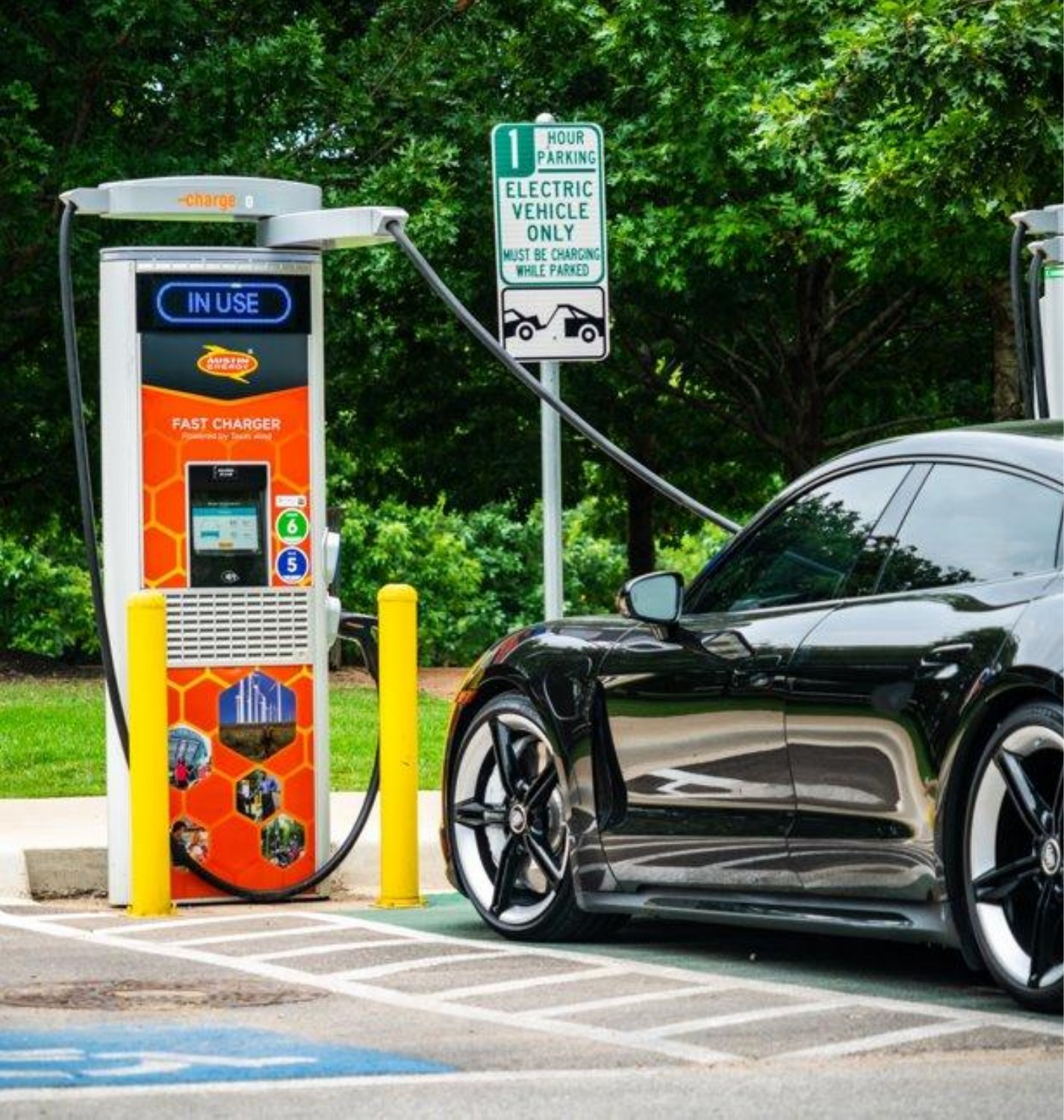
Big Picture: Austin Energy wants up to $50 million over as many as five years for the ground-level transformers that hook new apartments, shops and offices to the power grid. Its current supply contract ends Nov. 15. The Electric Utility Commission meets Monday, Oct. 19, to vote on recommending that deal and three smaller technology contracts. All four then go to the City Council on Oct. 22. Commissioners will also hear how the city’s public fast chargers for electric vehicles are performing.
The commission meets at 6 p.m. in the Shudde Fath Conference Room at Austin Energy headquarters, 4815 Mueller Blvd., according to the agenda. The meeting will stream on ATXN. Speakers may comment in person or by phone for up to three minutes. To speak remotely, register by noon the day before with Nici Huff at Nici.Huff@AustinEnergy.com or 512-972-8621. Dave Tuttle chairs the 11-member commission, and Al Braden is vice chair.
Transformer contracts
Item 3 would recommend five contracts for three-phase pad-mount transformers. The contracts would go to CribProcure Inc., Kllen Group America Inc., Techline Inc., Texas Electric Cooperatives and Texas Meter & Device. The initial two-year term is estimated at $20 million. Three optional one-year extensions at $10 million each would bring the total to no more than $50 million, split among the five companies.
According to the staff backup, these transformers sit on concrete pads and step down voltage from underground lines. They typically serve commercial buildings, multifamily properties and other large loads. Austin Energy uses them to connect new customers, replace aging or failed units and restore service after equipment failures.
The city’s request for proposals drew 25 offers. Staff said splitting the work among several vendors would protect the utility against delays, shortages or price increases. Techline already supplies these transformers. CribProcure, Techline and Texas Electric Cooperatives are local businesses, the backup says. Staff found no subcontracting opportunities, so no minority- or women-owned business goals were set. The same contracts are Item 25 on the City Council’s draft Oct. 22 agenda.
Other contracts
- NetBrain software (Item 2): a one-year extension worth $423,110 plus another optional year, raising the FreeIt Data Solutions contract for network-management software used by Austin Energy and the airport to no more than $1,034,943 (backup; Council Item 24).
- Windstream phone service (Item 4): a one-year, $100,000 extension plus another optional year, for a total of no more than $717,000. The current contract for internet-based phone lines, which include control-room lines, expires Oct. 30. Staff said earlier attempts to award a multi-year contract failed, and the utility plans a combined connectivity contract for 2028 (backup; Council Item 26).
- Data analytics software (Item 5): a contract with Executive Information Systems LLC for statistical analysis software used for billing and consumption reporting, at $96,000 a year for up to five years, or no more than $480,000 (backup).
Fast chargers and smart meters
Heidi Kasper of Austin Energy is scheduled to brief the commission on the utility’s electric vehicle charging network. Her presentation says Austin Energy runs more than 1,300 charging stations for public, workplace and fleet use. That includes 30 DC fast chargers, 26 of them public. Most of those were paid for with a Texas Commission on Environmental Quality grant.
The presentation says the fast chargers were working 95.1% of the time over the past 12 months, up from 89% a year earlier. They deliver about 230 megawatt-hours of electricity a month. The busiest hour is 6 to 7 p.m. The presentation counts 343 public fast chargers in the Austin-Round Rock area. About 700 more are in the pipeline, two-thirds of them for fleets. The utility is studying, designing or building 92 megawatts of capacity for them. It lists matching land to available grid capacity and expectations about hookup timelines as hurdles.
Bill Kelly, Austin Energy’s distribution process manager, is scheduled to brief the commission on the utility’s network of smart meters. His presentation says the network serves more than 590,000 meters under a 10-year managed-service agreement with Landis+Gyr that runs from 2024 to 2034. From September 2025 to March 2026, the utility increased its data gateways from 57 to 205 and its routers from 1,273 to 1,385. The presentation says that build-out was a lesson from winter storms. It also describes using meter data to find pockets of customers still without power after storms and to track outages affecting Austin Water’s critical facilities.
The agenda also includes updates from two working groups the commission shares with the Resource Management Commission, one on local solar and storage and one on long-duration storage.