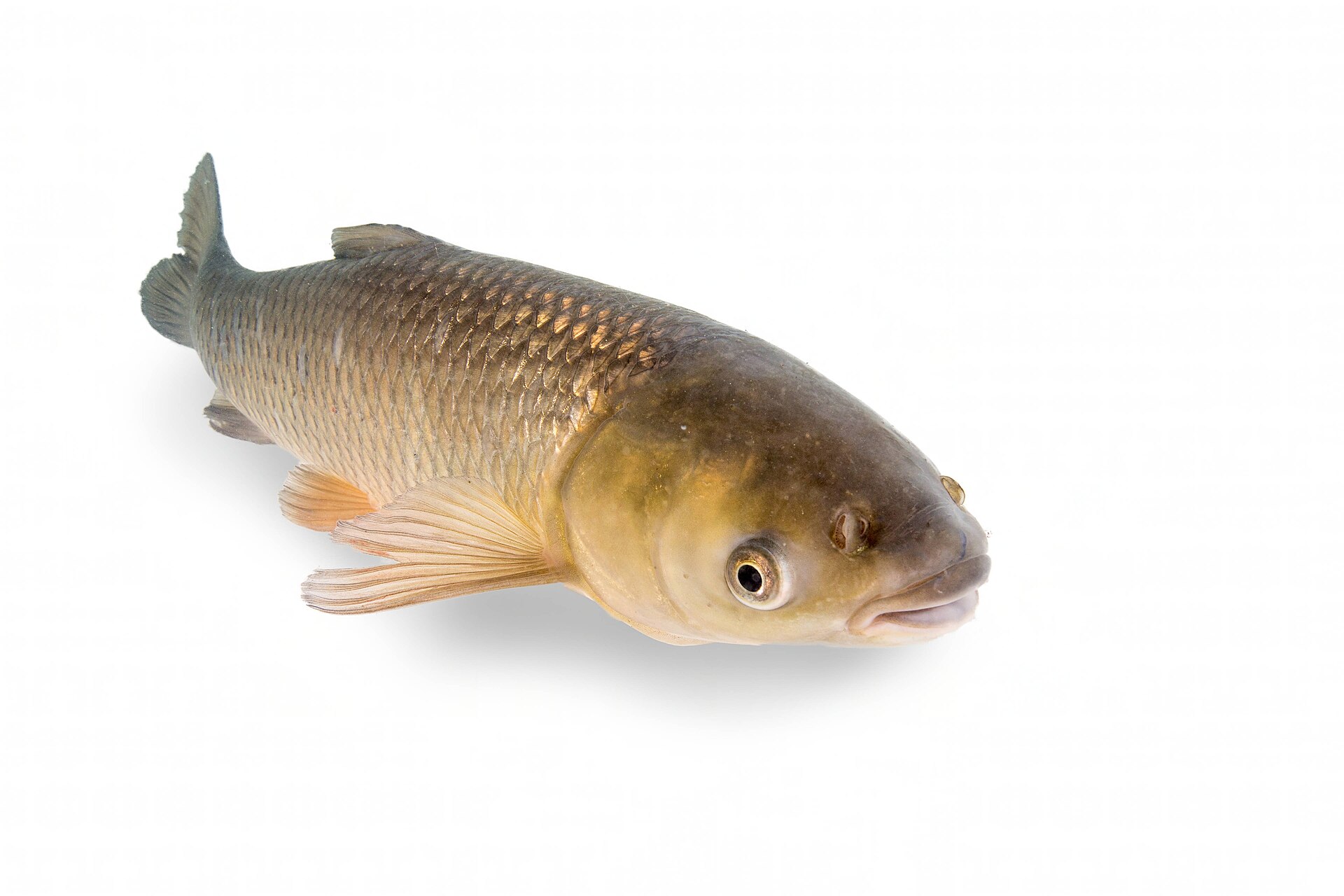
Lake Austin just got 7,091 new residents, and every one of them is there to eat.
Austin Watershed Protection released 7,091 sterile grass carp into Lake Austin on Oct. 29 to chew through hydrilla, the invasive underwater weed that has been choking parts of the lake since a rapid spread in the summer of 2025. The fish went in near Jessica Hollis Park, Walsh Boat Ramp and Bull Creek, where the city says the hydrilla is thickest.
Biggest batch yet. The city has been restocking since 2025. According to the city’s Lake Austin page and a July Council committee presentation, it added 358 fish in July 2025, 1,955 in November 2025 and 2,790 in May. This week’s release is bigger than those three combined. The fish are sterile, so there won’t be a carp baby boom. The July presentation says the vendor checks every fish for that.
Where the weed stands. Texas Parks and Wildlife’s mid-September survey estimated 575 acres of hydrilla in the lake, about where it was in June. In an Oct. 22 memo to Council, Watershed Protection Director Jorge L. Morales wrote that hydrilla growth has plateaued in 2026 and credited the earlier stockings and easing drought. The memo also says Bull Creek, Bee Creek and the Ski Shores area got worse while stretches above the Pennybacker Bridge improved. Bull Creek was nearly covered, with boats squeezing through a cut channel, the city’s Lake Austin page says.
A model, and a big ask. The new number comes from a predictive model Watershed Protection built from 15 years of Lake Austin data. The city’s goal is aquatic plants covering 10% to 30% of the lake. The model says adding about 7,000 fish this fall should start pushing hydrilla down, but the city’s own page admits there’s a wide range in how long that could take, since weather and floods matter a lot. Morales’ memo says staff would ask TPWD for a higher stocking rate than the agency normally allows, and the memo itself calls the increase aggressive. In July, the city estimated the lake’s carp population at 4,467. By our rough math, that puts the population near 11,500 before counting any fish that died.
Why the city is nervous about overdoing it. Austin has been here before. During the 2010-2013 drought, the city kept stocking carp to keep up with hydrilla. When the drought broke, the fish were still hungry. Starting around 2014, they ate basically every plant in the lake, and the city says it took about 10 years for vegetation to recover. The city says the population after this stocking will still be only about a third of the 2013 peak. The memo says the model is meant to keep vegetation from dropping below 2% of the lake’s surface, the point where aquatic life would suffer.
The other options are mostly off the table. The city canceled this fall’s planned drawdown of Lake Austin in September, citing the wedding season, UT football and Formula 1. LCRA says it doesn’t plan to lower any of its pass-through lakes this year. Since Winter Storm Uri, LCRA hasn’t done winter drawdowns because it wants the dams’ hydroelectric generators available for the grid. Herbicides aren’t allowed on Lake Austin, which feeds two of Austin’s major drinking water treatment plants. The memo says Watershed Protection and Development Services are working on permit rules for bottom barriers, the mats some homeowners lay on the lakebed. It also promises a Lake Austin Vegetation Management Plan by the end of the year.
What you can do. The city asks lakeside residents to cut back on lawn fertilizer, since runoff feeds the weed. Boaters should clean, drain and dry their boats, trailers and gear, and stay out of dense mats. If you rake hydrilla off your shoreline, dispose of it or compost it. More is on the city’s Lake Austin page.