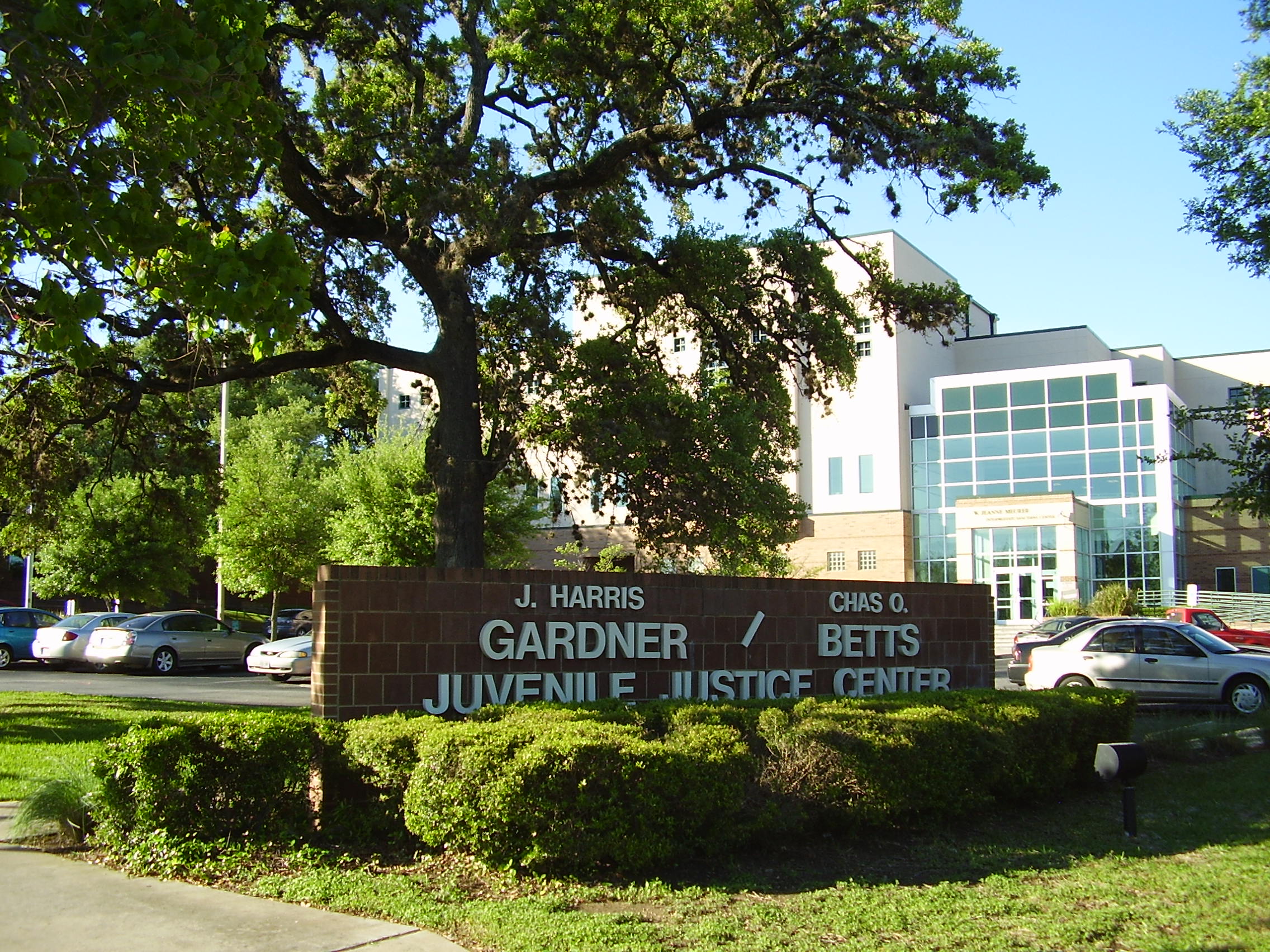
When a teenager in Travis County is accused of hitting a parent, the usual next stop has been a booking desk at the Gardner Betts Juvenile Justice Center. For about 150 kids since 2023, it has been a bed at a youth shelter instead. County leaders just agreed to keep paying for that.
The Travis County Commissioners Court approved $2 million in the fiscal 2027 budget to continue the Travis County Transformation Project, District Attorney José Garza’s office said in an Oct. 21 release. The DA’s office asked for the money in August on behalf of the nonprofits that run the program. The release says the court approved it on Sept. 29 and that the money covers two more years.
How it works. The project is a pre-arrest alternative for kids accused of assault family violence against a caregiver. If the caregiver agrees, the young person skips juvenile detention and goes to a respite stay and counseling at LifeWorks. Then the family joins an eight-month to yearlong program run by the Excellence Project, with case management, counseling and restorative-justice “healing circles.” LifeWorks CEO Liz Schoenfeld told Social Current that the shelter stay runs three to 14 days. Families who finish leave with no juvenile record, the DA’s office says.
The pilot, from June 2023 to June 2025, was open only to 15- and 16-year-olds. The release says the program expanded to 13- and 14-year-olds in 2025, and again this year to cover kids as young as 10. According to the DA’s office, more than half of assault family violence cases involving youth each year involve kids younger than 15.
Why this charge. The DA’s office says 10 years of county prosecution data show assault family violence is the charge that most often sends kids into juvenile detention. The release also cites 2019 Travis County Sheriff’s Office data finding that 38% of county homicides arose from domestic violence. We have not independently checked either figure.
The numbers, and what they don’t say. According to the release, UT Austin researchers evaluated the two-year pilot. In that period, 72 kids were diverted into the program and 50 kids of the same ages were arrested for assault family violence and went through the regular juvenile system. In the two years after the program, 29% of participants were rearrested, compared with 52% of the kids who went through Gardner Betts. Among diverted kids with “full engagement” in the program, the release puts rearrests 62.3% lower at six months, 42.2% lower at one year and 43.8% lower at two years. It says violent-offense rearrests were 52.7% lower.
Those are promising numbers, with caveats. The release calls the evidence “preliminary,” and the evaluation itself is not linked. The two groups were not randomly assigned: families chose to take part, and the steepest drops are reported only for the kids who fully engaged. The program’s own partner reports different results. Excellence Project’s program page says participants have a 6% recidivism rate, compared with 48% for similar youth in the traditional system, and lists eligibility as ages 13 to 16. Neither source explains the gap.
“Our two-year pilot program has shown that when we offer young people support and mentorship through community-based restorative practices instead of punishment, we can dramatically reduce recidivism and build a safer community,” Garza said in the release.
Who’s involved. The release credits LifeWorks, the Excellence Project, the Travis County Juvenile Probation Department, the Austin Police Department, the Travis County Sheriff’s Office, the Pflugerville and Manor police departments, and UT Austin. In the Social Current interview, Schoenfeld said the DA’s office screens families for eligibility and trained police officers in the deflection protocol.
When the pilot launched in 2023, the Austin Chronicle reported that the model, which pairs a respite center with a restorative-justice approach called Circles of Peace, had not been tried in the United States before. The Chronicle also reported that UT would study the program’s effects. Two years and 150 kids later, the county is paying to keep it going. The full study would help the public judge whether it works.